
History · Veterans Day
Grantville’s forgotten Navy hero: the 25-year-old who died in a battleship fire
He grew up in a Grantville merchant family, graduated from the Naval Academy and died at 25 in one of the Navy’s worst peacetime disasters. Twenty years later, a destroyer carried his name to war.
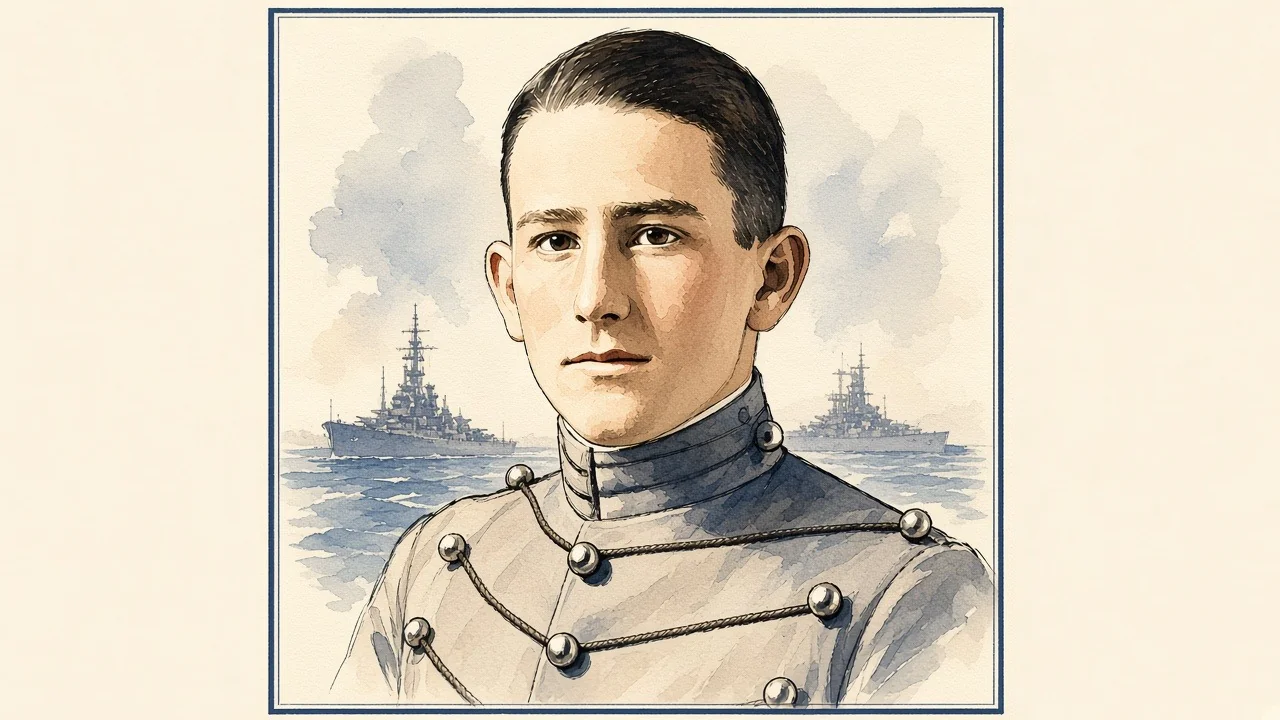
On Veterans Day, Grantville GA has one of its own to remember: Lt. (j.g.) Thomas Edward Zellars, the 25-year-old Navy officer whose name was later painted on the side of a destroyer.
Thomas Edward Zellars was born in Grantville on Aug. 11, 1898, the son of Thomas M. and Clara Fuller Zellars and the grandson of Capt. Thomas E. Zellars, the Confederate veteran and merchant whose store helped build downtown Grantville.
The family’s name is still on the historic district. The 1991 National Register nomination for the Grantville Historic District says the elder Zellars and partner W. J. Garrett opened their store in 1865 and put up a two-story brick store in 1877. Grantville residents were excited in 1878 over the new Zellars home, “the first brick house in that part of the county,” and the nomination lists the 1876 Thomas Zellars house on Magnolia Street among the district’s notable homes.
The younger Zellars attended Culver Military Academy in Indiana and entered the U.S. Naval Academy on June 13, 1917. World War I was underway, and his class was hurried through. He graduated on June 3, 1920, a year early, with the first half of the Class of 1921.
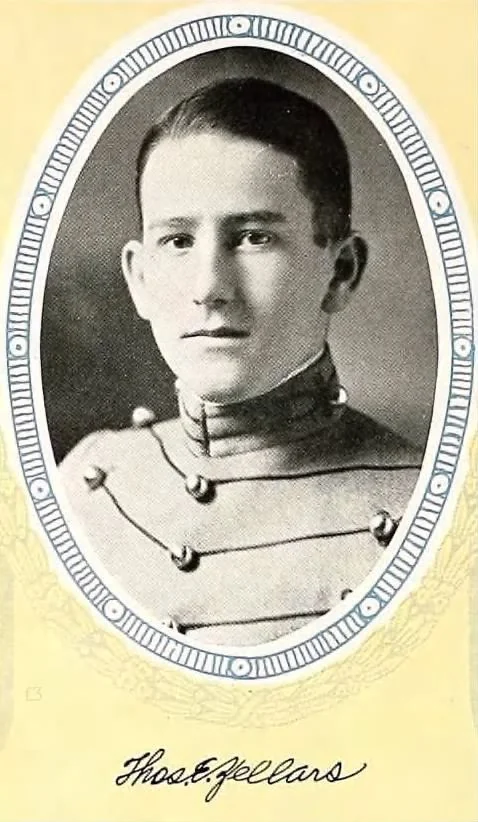
His classmates’ yearbook, the 1921 Lucky Bag, called him “Tommie” and said he was “always well up in things Academic.” It praised his “perpetual good humor and ability to take failure as well as success with the same composure.”
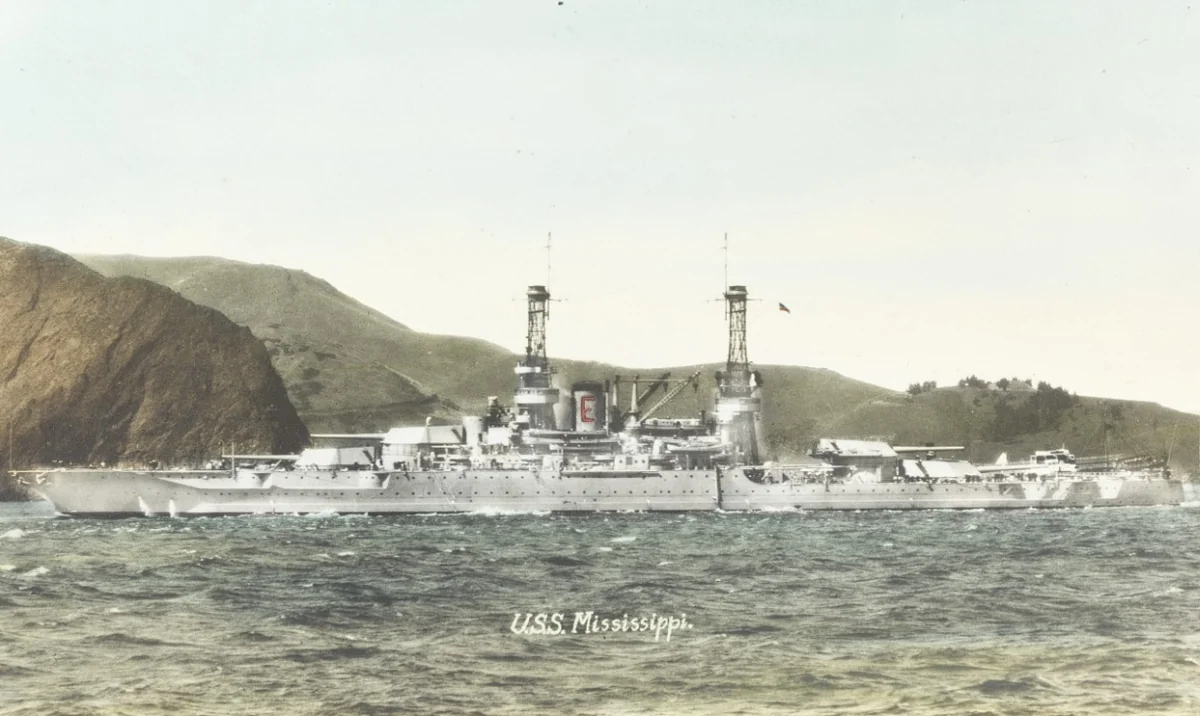
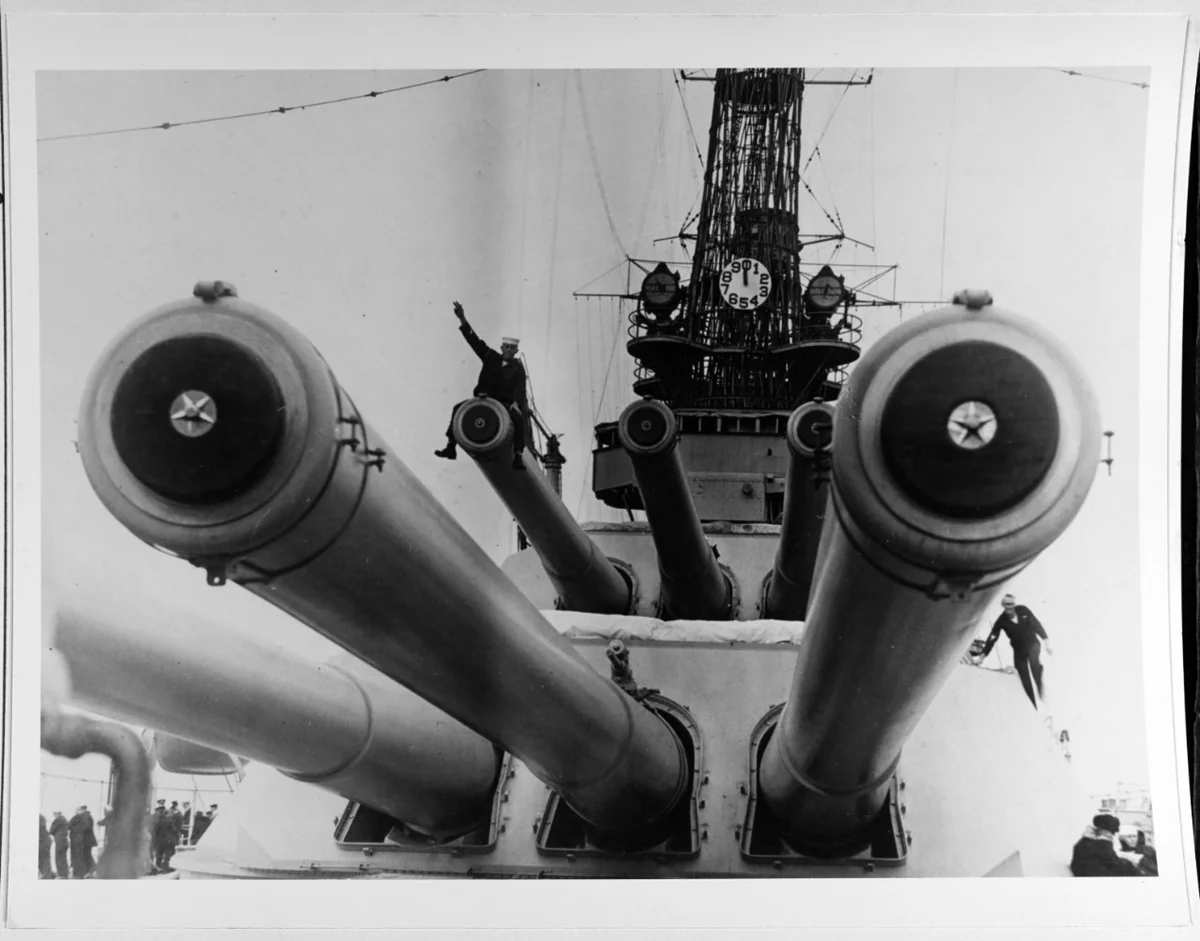
He reported to the battleship USS Mississippi on July 9, 1920. By 1923 he was a lieutenant (junior grade) and the officer in charge of Turret No. 2, which held three 14-inch guns, a job Navy historians say usually went to a more senior officer.
The fire in Turret No. 2
On June 12, 1924, the Mississippi was in a gunnery exercise off San Clemente Island, Calif. At 11:45 a.m., during the eighth salvo, a gun in Turret No. 2 flashed back as powder was loaded. Flame and gas filled the turret. Three officers and 45 enlisted men died, most of them from asphyxiation. Zellars was among them.
The Navy’s court of inquiry found that low air pressure had left burning residue in the gun barrel, and that partly open safety doors let the fire spread.
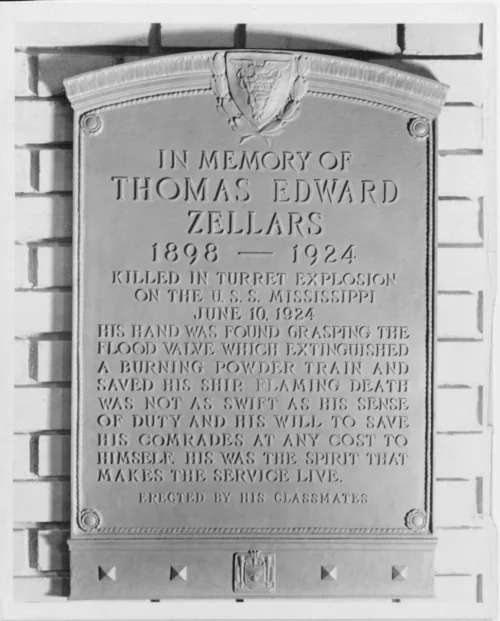
Accounts published soon after the disaster said Zellars was found with his hand on the flood valve that put out a burning powder train, saving the ship. His Naval Academy classmates put that story on a plaque in the academy’s Memorial Hall, and the Navy’s own history has repeated it. In a 2025 review, the director of the Naval History and Heritage Command noted that the official inquiry does not describe that act and that the story’s origin is uncertain, though it “rapidly became widely known.”
The plaque gives the date of his death as June 10, 1924. Navy records, including the court of inquiry, give June 12.
Coming home to Grantville
The Navy held a funeral for the other 47 men in San Pedro, Calif., on June 17, 1924. Zellars’ coffin was already on a train home to Grantville. The Atlanta Constitution reported that his funeral was held at the Methodist church in Grantville, that businesses closed and that hundreds of people paid tribute. He is buried in Grantville City Cemetery.
Twenty years later, the Navy named a destroyer for him. USS Zellars (DD-777) was launched in Seattle on July 19, 1944, sponsored by Mrs. Thomas M. Zellars. On April 12, 1945, a Japanese suicide plane crashed into the ship off Okinawa. Its crew put out the fires and brought it into port under its own power. The ship later served off Korea and earned one battle star in World War II and four in Korea.
In 1999, the Georgia Historical Society and the City of Grantville placed a marker at his grave in Grantville City Cemetery, off Griffin Street.
The marker ends with his ship. His classmates’ plaque ends with a line about him: “His was the spirit that makes the service live.” On Veterans Day, that is the Grantville name to remember.
Sources
- Naval History and Heritage Command: Dictionary of American Naval Fighting Ships, “Zellars”
- Naval History and Heritage Command: H-Gram 087, H-087-1, the USS Mississippi turret explosion (2025)
- Naval History and Heritage Command: H-Gram 087
- Naval History and Heritage Command photograph NH 95610, USS Mississippi (BB-41) underway, mid-1920s
- Naval History and Heritage Command photograph NH 69024, turrets of USS Mississippi (BB-41)
- U.S. Naval Academy Virtual Memorial Hall: Lt. (j.g.) Thomas E. Zellars (includes the 1921 Lucky Bag entry)
- The Lucky Bag, 1921, U.S. Naval Academy (Internet Archive)
- National Register of Historic Places nomination #91000772, Grantville Historic District (1991)
- Georgia Historical Society: Gravesite of Lt. (j.g.) Thomas E. Zellars marker
- Historical Marker Database: Gravesite of Lt. (j.g.) Thomas E. Zellars
- Find a Grave: Thomas Edward Zellars (1898 to 1924)
- Find a Grave: Thomas Moreland Zellars (1872 to 1954)
- Find a Grave: Capt. Thomas Edward Zellars (1834 to 1914)
- Newnan Herald and Advertiser, Jan. 30, 1914, “Death of Capt. Thos. E. Zellars”
- The Atlanta Constitution, June 1924, funeral of Lt. Zellars in Grantville (clipping)